


Agriculture with Remote Sensing Technology
In an era where technological innovations are reshaping every aspect of our lives, the agricultural sector is no exception. Farmers around the world are now turning to cutting-edge agri-tech...

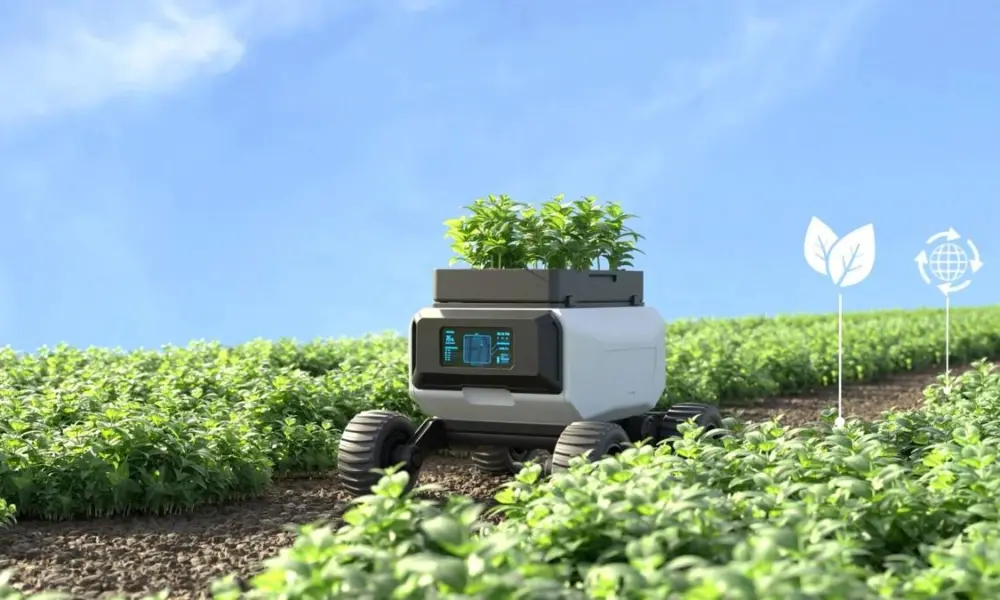
In an era where technological innovations are reshaping every aspect of our lives, the agricultural sector is no exception. Farmers around the world are now turning to cutting-edge agri-tech solutions to enhance crop management and boost yields. Among the most recent advancements, remote sensing technology has emerged as a game-changer, enabling farmers to closely monitor the health and growth of their crops from afar.
The use of remote sensing instruments, which encompass a variety of digital devices such as satellites, drones, and specialized sensors, has become increasingly prevalent in modern agriculture. These technologies provide invaluable agricultural data that empowers farmers to make informed decisions and respond swiftly to potential issues, ultimately revolutionizing the industry.
One of the primary advantages of remote sensing in agriculture is its ability to detect early signs of pests, infections, and crop stress. By deploying a range of devices equipped with advanced sensors, farmers can remotely observe their fields and crops with exceptional precision. This data allows them to identify emerging problems before they escalate, which can be a game-changer for crop management and yield preservation.
Satellites play a pivotal role in this agricultural revolution. Orbiting the Earth at altitudes that provide a comprehensive view of the planet’s surface, satellites can capture high-resolution images of farmland. This imagery can be analyzed to assess crop health and identify areas of concern.
Satellite data offers a broad perspective and enables farmers to monitor large expanses of land efficiently. By tracking changes in vegetation color, temperature, and humidity, farmers can spot patterns that may indicate various issues, including water stress or disease outbreaks. Such early detection provides farmers with a valuable window of opportunity to take corrective action.
Drones have swiftly become an integral tool in precision agriculture. These unmanned aerial vehicles can fly at low altitudes, capturing detailed images of fields. They are especially useful for identifying small-scale issues that might go unnoticed by satellites. Drones can also be equipped with specialized sensors to collect data on factors like soil moisture, nutrient levels, and pest presence.
With this data in hand, farmers can respond quickly to localized problems, applying remedies precisely where needed. This targeted approach not only saves resources but also minimizes the environmental impact of farming operations.
Specialized sensors, often placed directly in the field, offer real-time data on crop conditions. These sensors can measure various parameters, such as soil moisture, temperature, and nutrient levels. Some even use artificial intelligence to predict disease outbreaks or identify pest infestations.
Farmers can access this data remotely through smartphone apps or online platforms, allowing for constant monitoring and instant decision-making. The ability to monitor and analyze crop health with such granularity empowers farmers to make data-driven choices that can significantly impact their yields and reduce the need for excessive chemical treatments.
The integration of remote sensing technology into agriculture represents a significant leap forward in crop management. By utilizing satellites, drones, and specialized sensors, farmers can proactively address crop issues, optimize resource allocation, and ultimately enhance their productivity and sustainability. As the adoption of agri-tech solutions continues to grow, the future of farming looks increasingly bright, with technology playing a vital role in securing global food supplies.

No Comment! Be the first one.